The Subscription Promise Meets the Cash Reality A SaaS CFO once described their business like a treadmill: steady pace, predictable rhythm, forward motion every month. ARR climbed. Renewals held strong. Dashboards glowed green. But payroll still felt tight. This is the paradox many SaaS companies face today. Subscription revenue is recurring—but cash flow often isn’t. According to the Credit Research …
Why Consumer Receivables Deteriorate Faster Than You Think
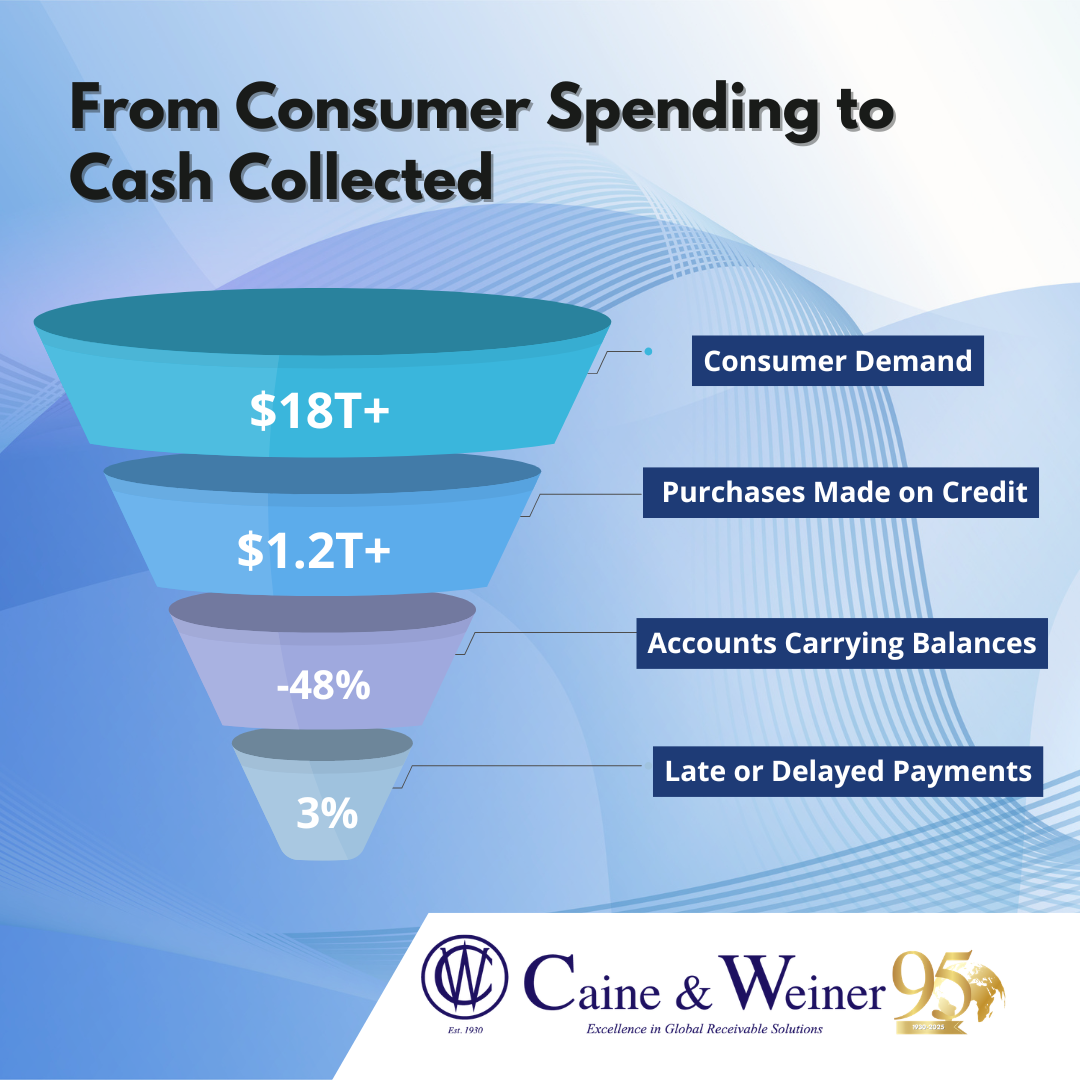
On Monday, the balance looks fine. A customer makes a purchase. The invoice goes out. Everything sits neatly in the 0–30 day bucket, just like it should. By Friday, life happens. A car repair. A medical bill. A rent increase. The payment gets postponed—not rejected, not disputed, just delayed. Harmless, it seems. But in consumer receivables, that small delay is …
Why Medical Collections Require a Different Approach Than Commercial AR
Medical collections aren’t transactional—they’re personal. Unlike commercial A/R, healthcare collections involve deeply personal circumstances. Patients are not businesses managing cash flow—they are individuals dealing with health, stress, and uncertainty. Applying standard commercial tactics often leads to poor outcomes and damaged trust. Healthcare collections are also subject to heightened regulation and public scrutiny. Compliance, privacy, and patient protections shape every interaction. …
From ARR to AR: When Subscription Revenue Gets Stuck
The Gap No One Talks About On paper, everything looks strong. ARR is up. Net retention holds. New logos keep coming in. But behind the scenes, finance teams are watching invoices age—and wondering when booked revenue will actually arrive. This disconnect between ARR and AR is becoming increasingly common. PYMNTS reports that nearly 40% of SaaS firms experience DSO creeping …
When Insurance Delays Become Patient Debt
Insurance delays are one of the most common—and frustrating—drivers of patient dissatisfaction. Coverage verification issues, coding errors, payer backlogs, and denied claims often delay reimbursement. According to CMS, claims denial rates range from 5–10%, and a significant portion are preventable. When these delays occur, patient balances are often created unexpectedly. From the patient’s perspective, the process feels unfair. They believe …
When Banks Slow Payments, Liquidity Feels It First
Precision Businesses Can’t Afford Imprecise Cash Flow Banking runs on timing. Interest accrues by the day. Capital ratios are calculated to the decimal. Risk models assume predictable inflows. So when payments slow—even slightly—the impact ripples outward. According to Atradius, 56% of financial institutions reported increased late B2B payments, with average invoice terms stretching beyond 70 days. That shift may look …
Self-Pay Growth: The New Reality for Healthcare Providers
High-deductible health plans have permanently reshaped healthcare finance. As insurance designs shift more financial responsibility to patients, self-pay balances continue to grow. MGMA reports that self-pay is now one of the fastest-growing segments of healthcare A/R, with many providers seeing higher balances and slower payment timelines than ever before. This shift introduces new challenges. Patients are not accustomed to acting …
Medical Debt Isn’t Just Financial—It’s Emotional
Behind every balance is a patient navigating stress, recovery, and uncertainty. Medical debt is fundamentally different from other forms of debt. It often follows an illness, injury, or unexpected life event—moments when patients are physically and emotionally vulnerable. According to the Kaiser Family Foundation, nearly 40% of U.S. adults carry some form of medical debt, and many report anxiety, confusion, …
How Compliance-First Collections Improve Recovery in Healthcare
In healthcare, compliance isn’t optional—it’s strategic. As regulatory oversight increases, healthcare collections now sit at the intersection of finance, patient rights, and public trust. HIPAA, CFPB guidelines, state-level debt collection laws, and evolving patient protection standards shape how—and when—providers can engage patients about outstanding balances. In this environment, noncompliance doesn’t just create legal exposure; it directly undermines recovery performance. Data …
Why Early-Stage Medical Collections Protect Patient Relationships
There’s a persistent myth in healthcare: collections damage patient relationships. In reality, it’s how and when collections occur that makes the difference. Early-stage medical collections aren’t about aggressive outreach. They’re about clarity. According to HFMA, the majority of patient balances that become bad debt were never disputed—they were misunderstood, forgotten, or delayed due to confusion. When providers wait too long …