From ARR to AR: When Subscription Revenue Gets Stuck

MarketingBlog

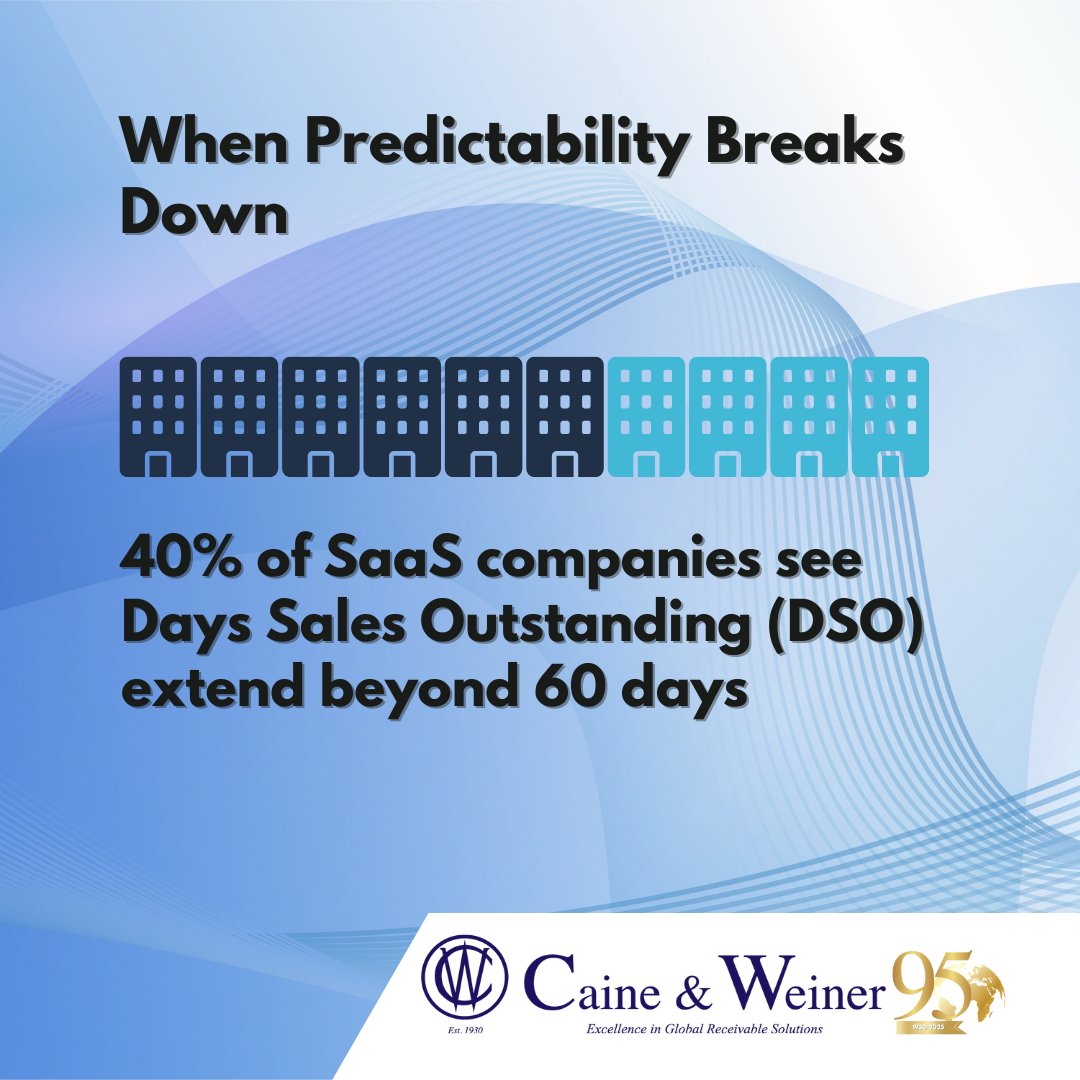
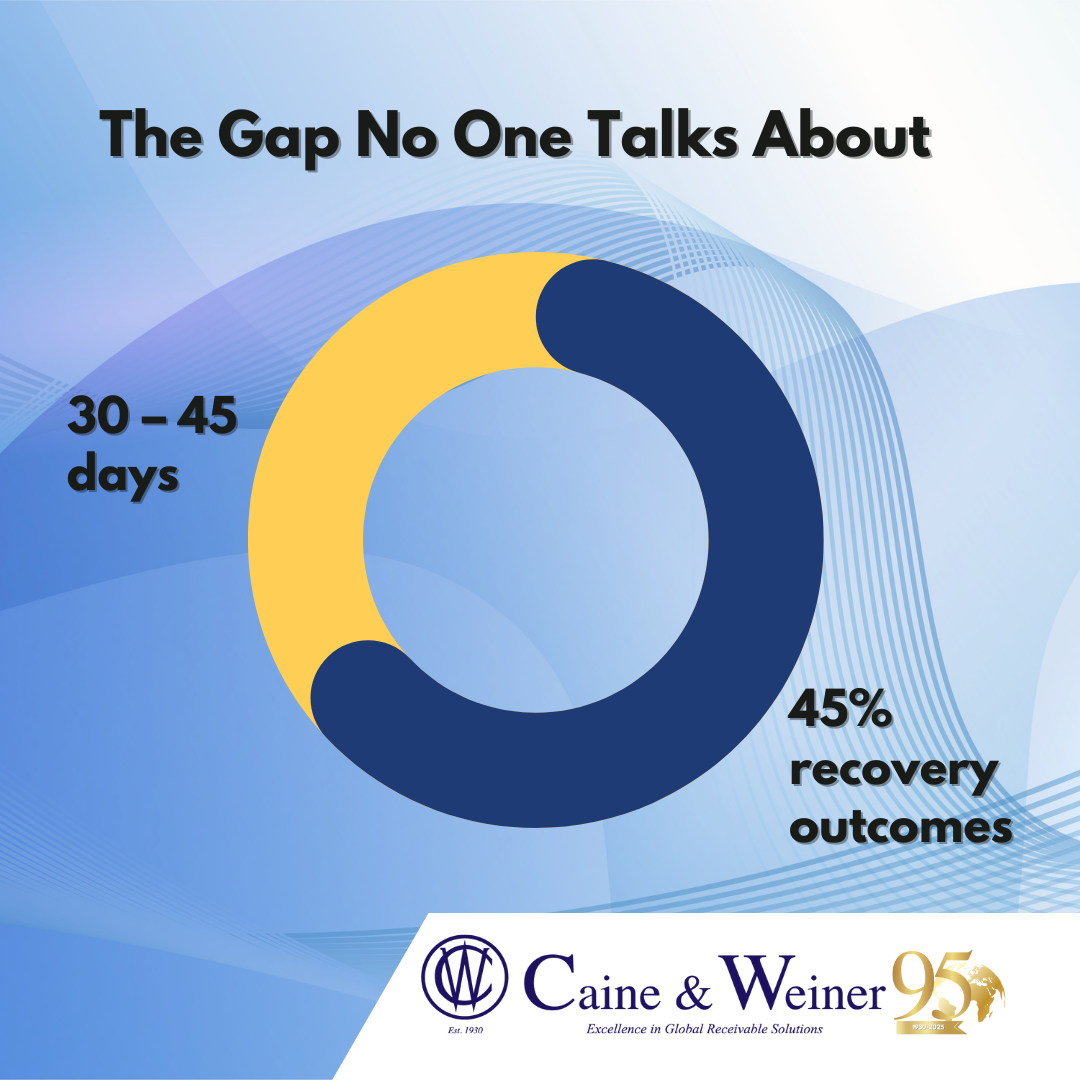
The Gap No One Talks About On paper, everything looks strong. ARR is up. Net retention holds. New logos keep coming in. But behind the scenes, finance teams are watching invoices age—and wondering when booked revenue will actually arrive. This disconnect between ARR and AR is becoming increasingly common. PYMNTS reports that nearly 40% of SaaS firms experience DSO creeping …

When Banks Slow Payments, Liquidity Feels It First

MarketingBlog

Precision Businesses Can’t Afford Imprecise Cash Flow Banking runs on timing. Interest accrues by the day. Capital ratios are calculated to the decimal. Risk models assume predictable inflows. So when payments slow—even slightly—the impact ripples outward. According to Atradius, 56% of financial institutions reported increased late B2B payments, with average invoice terms stretching beyond 70 days. That shift may look …

When Fast Growth Breaks the Workflow: Why SaaS Companies Struggle with Payment Drift

MarketingBlog

In SaaS, growth is celebrated—MRR climbs, new users flood in, product updates ship weekly, and expansion becomes the norm. But beneath the excitement of scaling lies a less glamorous truth: Fast scaling = fast chaos. And nowhere is this more visible than in accounts receivable. Recent industry data shows a surprising trend: SaaS companies experience a 40% increase in missed …

When Banks Fall Behind: Why Payment Delays Aren’t About Cash—They’re About Workflow

MarketingBlog

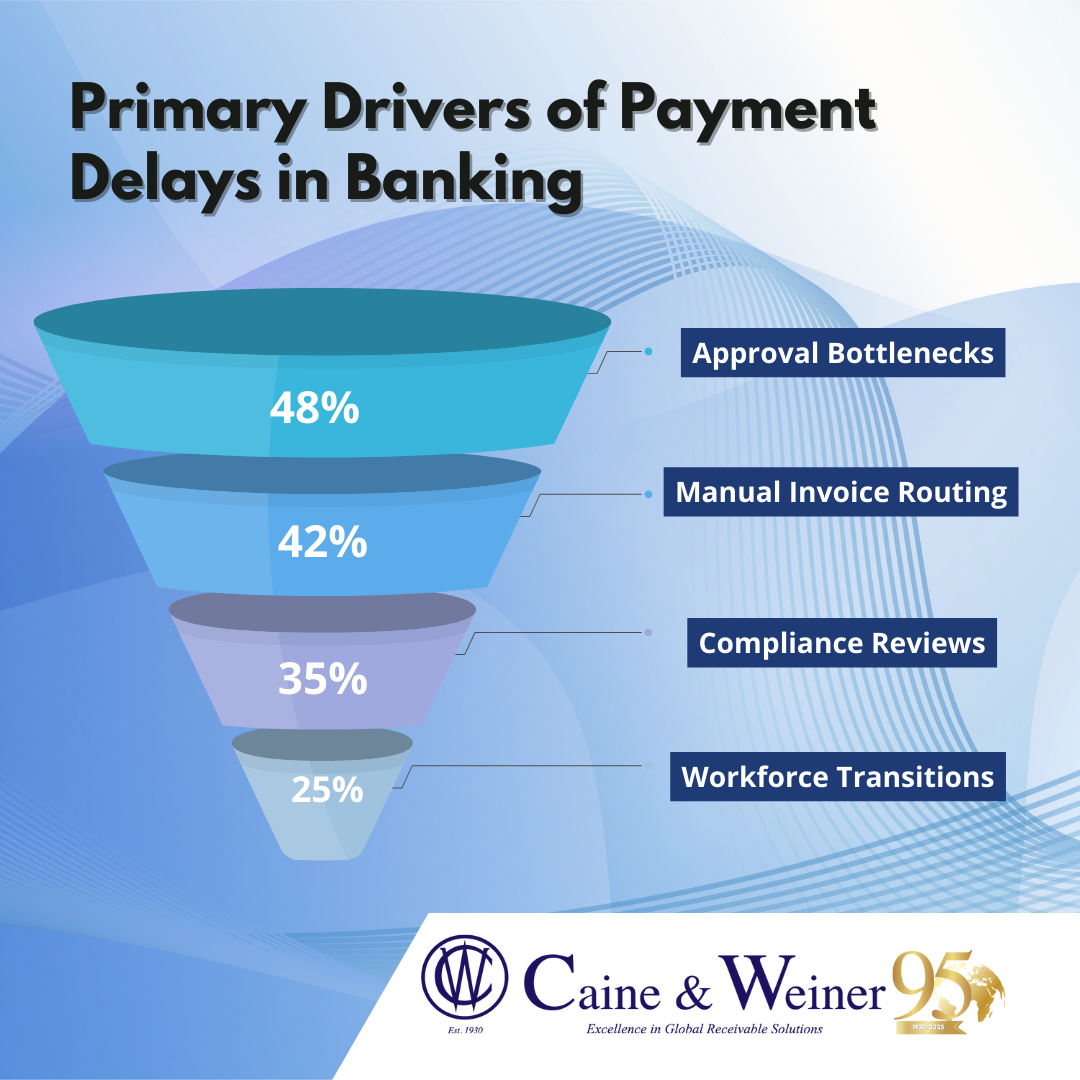
On the surface, the banking industry appears steady, structured, and predictable. Money moves in, money moves out, balances reconcile, and invoices get paid. But talk to any vendor working with a financial institution today, and a different story emerges—one that begins not with dollars, but with delays. It often starts with a familiar message: “Still in approval.” “Compliance is reviewing …

When Commodity Prices Move, Payments Move With Them: Understanding AR Risk in Mining

MarketingBlog

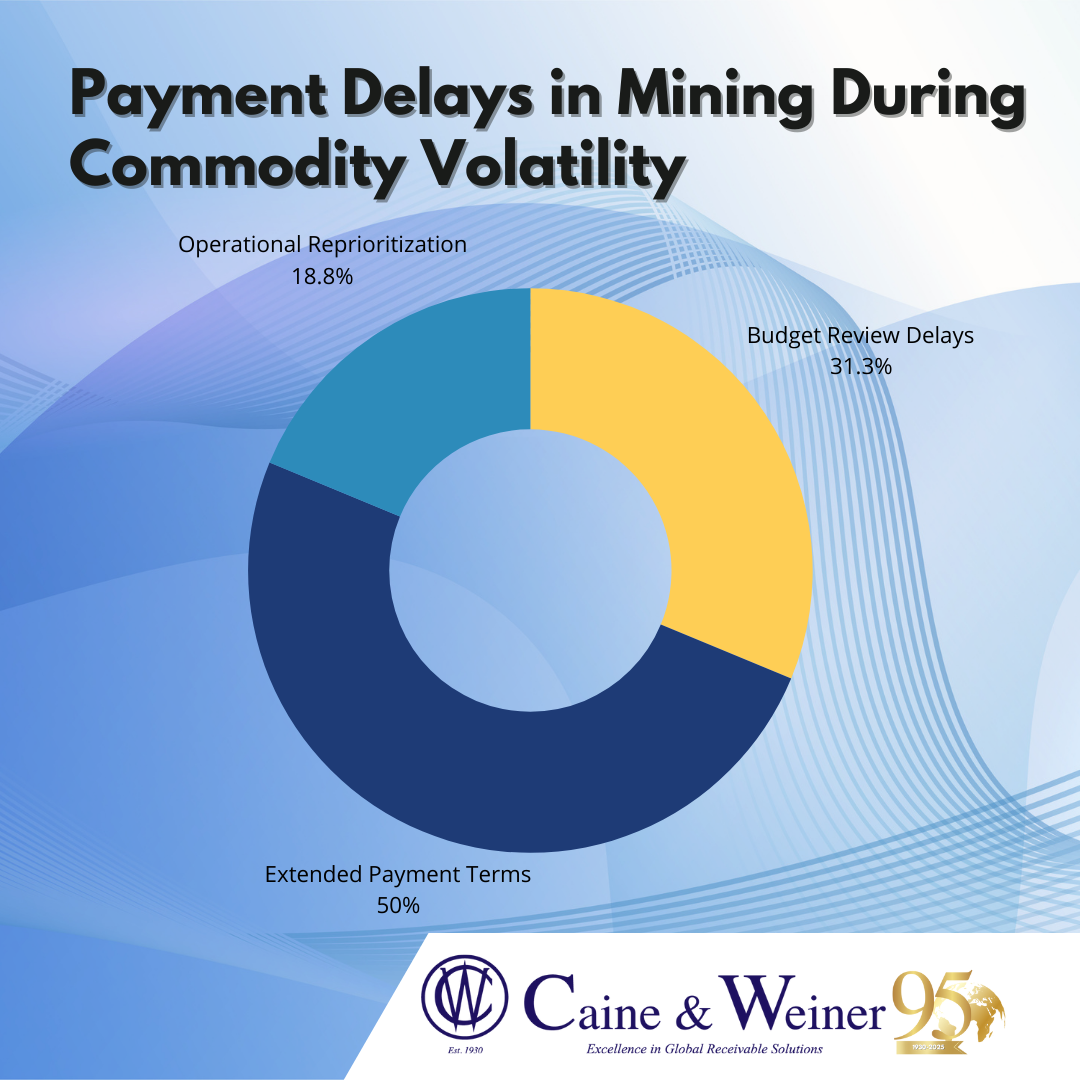
Payment behavior in the mining industry doesn’t follow invoices—it follows the commodity market. When copper, lithium, coal, or nickel prices swing, the entire financial structure of mining companies shifts with them. Production priorities change. Capital allocation changes. Cash reserves get reassigned to critical operations. And vendors feel the effects—fast. Industry analytics reveal a clear pattern: When commodity volatility spikes, mining …

When Claims Surge, Payments Slow: The Hidden Workflow Bottlenecks Inside Insurance AP

MarketingBlog

The insurance industry is built on preparedness. Policies. Procedures. Protocols. Claims. Everything has a flow—until it doesn’t. Every year, insurers face periods when claims spike sharply. Sometimes it’s seasonal (storms, wildfires, weather events). Sometimes it’s market-driven (rate changes, policy shifts). Sometimes it’s internal (staffing transitions, system upgrades). When those claim cycles hit, something happens behind the scenes that most vendors …

The Talent Drought: Why Getting Hired in 2025 Feels Hard—And What It Means for Industries That Need Workers the Most

MarketingBlog

Maria’s Story: From Laid Off to “Looking for Opportunities” Maria didn’t expect to be laid off. She worked five years at a software company, top ratings, loyal team player. Then came the email:  “Restructuring. Position eliminated.” She wasn’t alone. In 2024–2025, more than 540,000 workers across tech, finance, and retail faced layoffs. Maria applied for 126 jobs. Heard back from …

Fortress or Fault Line? What Bankers Are Really Facing in the Age of CRE Stress and Consumer Credit Shifts

MarketingBlog

The Call Every Banker Remembers It usually happens on a Wednesday. A loan officer opens their inbox to see a message flagged urgent: “Tenant filed for bankruptcy. Cash flow disruption expected. Requesting modification.” That single line represents exactly what banks fear—unpredictability. In 2024–2025, those emails have become a lot more common. Office occupancy hasn’t recovered. Leasing debt is aging. Large …

Automotive’s New Gear: Driving Through Delinquencies and Disruption

MarketingBlog

A perfect storm—rising vehicle prices, persistent inflation, elevated interest rates, softening credit approvals, and supply-chain rebalancing—has collided to reshape the financial backbone of the automotive industry. The result? Higher delinquencies, increased charge-offs, and growing pressure on accounts receivable portfolios across OEMs, lenders, and dealerships. Caine & Weiner’s 90+ years in receivables management gives us a front-row view of this shift. …

Banks Under Pressure: When CRE Delinquencies Breach Reserve Lines

MarketingBlog

Banking and commercial real estate (CRE) have always been interconnected. When CRE performs well, banks enjoy predictable income streams, stable deposits, and manageable risk exposures. But when CRE weakens—banks feel it first, and they feel it hard. Today, that pressure is reaching a critical point. Office vacancies remain historically high. The shift to hybrid work continues to reduce demand. Maturing …