

In investment advisory, success is often measured in assets under management, portfolio performance, and client trust. A firm expands its book of business. A wealth manager secures new high-net-worth households. A retirement advisory practice lands a corporate benefits contract. On paper, growth looks strong. But for many advisory firms, there’s a quieter operational reality that rarely gets discussed enough: AUM growth does not always equal cash flow precision.
Because even in financial services—an industry built on discipline, forecasting, and fiduciary rigor—revenue timing can slip. And when it does, the impact often starts behind the scenes.
When Strong Portfolios Mask Revenue Drag
Investment firms are uniquely relationship-driven. Trust is currency. Reputation is infrastructure. That dynamic can sometimes create hesitation around one of the most practical business disciplines: receivables management.
Whether it’s delayed advisory fees, unpaid planning retainers, enterprise consulting invoices, or corporate contract billing lags, many firms face payment friction not because clients can’t pay—but because timing, administration, or communication falls out of sync.
According to CFO.com, even financially healthy firms can face meaningful working capital pressure when receivables timing becomes inconsistent, reducing forecasting confidence and operational flexibility. (cfo.com)
For advisory firms, this matters more than many leaders realize. A practice may report strong client growth while still navigating:
- Delayed quarterly fee processing
- Billing disputes
- Internal approval bottlenecks from institutional clients
- Uncollected planning fees
- Contract timing mismatches
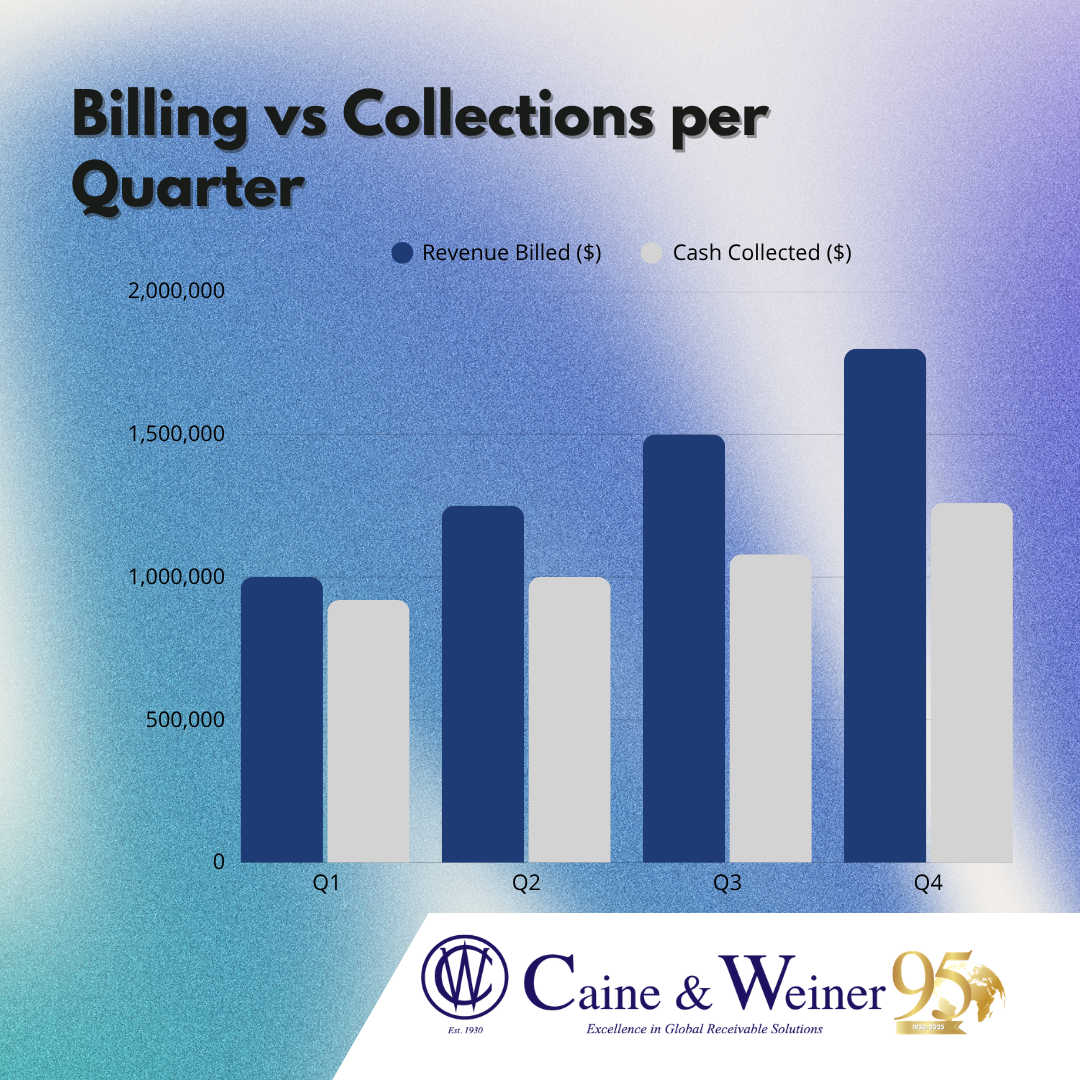
Revenue may exist on paper. But liquidity depends on when it arrives.
The Trust Trap: Why Many Firms Wait Too Long
Advisory leaders often prioritize preserving relationships—and rightly so. No wealth management firm wants to appear aggressive with valued clients. But there’s an important distinction between protecting trust and avoiding necessary communication.
Research from the Credit Research Foundation consistently shows that organizations engaging payment issues early can improve recovery rates by up to 45% compared to waiting for deeper aging. In many cases, payment delays are not driven by dissatisfaction. They’re caused by:
- Administrative oversight
- Invoice routing issues
- Approval delays
- Misaligned expectations
This is especially relevant in advisory, where white-glove service can sometimes unintentionally delay operational follow-up. Silence may feel polite. But operationally, it can create avoidable drag.
Why Billing Complexity Is Growing in Financial Advice
Modern advisory firms are no longer limited to one billing model. Today’s firms may manage:
- AUM-based fees
- Flat retainers
- Financial planning subscriptions
- Corporate consulting invoices
- Retirement plan advisory contracts
As firms diversify services, receivables complexity often increases. According to Deloitte’s financial services outlook, operational efficiency and cash flow precision are becoming increasingly important as firms scale service offerings and navigate evolving client expectations. (deloitte.com) This means growth can sometimes introduce more payment friction—not less.
For CFOs and managing partners, this creates a familiar challenge: How do you preserve premium client relationships while maintaining disciplined revenue timing?
Revenue Protection Without Reputation Risk
This is where receivables strategy becomes less about “collections” and more about operational stewardship. Professional, brand-aligned early intervention can:
- Clarify expectations
- Resolve invoice friction
- Preserve client trust
- Improve forecasting
- Protect liquidity
In other words, receivables discipline can function as a client experience safeguard—not a relationship threat. This is also where firms like Caine & Weiner fit naturally into the conversation.
Not as a hard-sell collections agency, but as a strategic ally helping financial services firms protect cash flow with professionalism, compliance, and discretion. For relationship-based industries, that distinction matters.
The Bottom Line
In investment advisory, protecting client wealth is the mission. But protecting your own revenue timing is what sustains that mission. AUM can signal market confidence. Portfolio growth can impress stakeholders. But payroll, compliance, talent, and expansion are funded by realized cash flow—not projected revenue.
For CEOs, CFOs, and advisory leaders, the hidden risk often isn’t poor investment performance. It’s allowing delayed payments to quietly erode operational precision. Because in financial services, credibility isn’t just about how well you manage wealth.
It’s also about how well you manage the business behind it.
Frequently Asked Questions
What does Caine & Weiner do?
Caine & Weiner provides commercial debt collection, accounts receivable management, credit reporting, and business-to-business (B2B) recovery solutions. We help businesses recover unpaid invoices while preserving professional client relationships through ethical and compliant collection practices.
What industries does Caine & Weiner serve?
Caine & Weiner serves a wide range of industries including transportation, logistics, healthcare, staffing, manufacturing, wholesale distribution, telecommunications, retail, and financial services. Our recovery strategies are customized based on each industry’s collection challenges and payment cycles.
How can a debt collection agency help improve cash flow?
A debt collection agency helps businesses recover overdue accounts faster, reduce bad debt, and improve cash flow. Professional collection services also allow internal teams to focus on operations and customer relationships instead of chasing unpaid invoices.