On Monday, the numbers look incredible. The dashboard shows record sign-ups. ARR is climbing. The sales team just closed two enterprise logos that will look great on the next investor slide. Product is shipping faster than planned. Everything says growth. But by Thursday afternoon, finance sees something different. Invoices that normally clear in 30 days are still open at 42. …
Why Consumer Receivables Deteriorate Faster Than You Think
On Monday, the balance looks fine. A customer makes a purchase. The invoice goes out. Everything sits neatly in the 0–30 day bucket, just like it should. By Friday, life happens. A car repair. A medical bill. A rent increase. The payment gets postponed—not rejected, not disputed, just delayed. Harmless, it seems. But in consumer receivables, that small delay is …
Consumer Demand Is Back—Payment Discipline Isn’t
When the Checkout Line Is Full but the Bank Account Isn’t Walk through a shopping district today and it feels like momentum is back. Stores are busy. Online carts are converting. Promotional campaigns are finally paying off after years of consumer hesitation. But inside finance departments, the mood is more cautious. Sales may be rising, but collections tell a different …
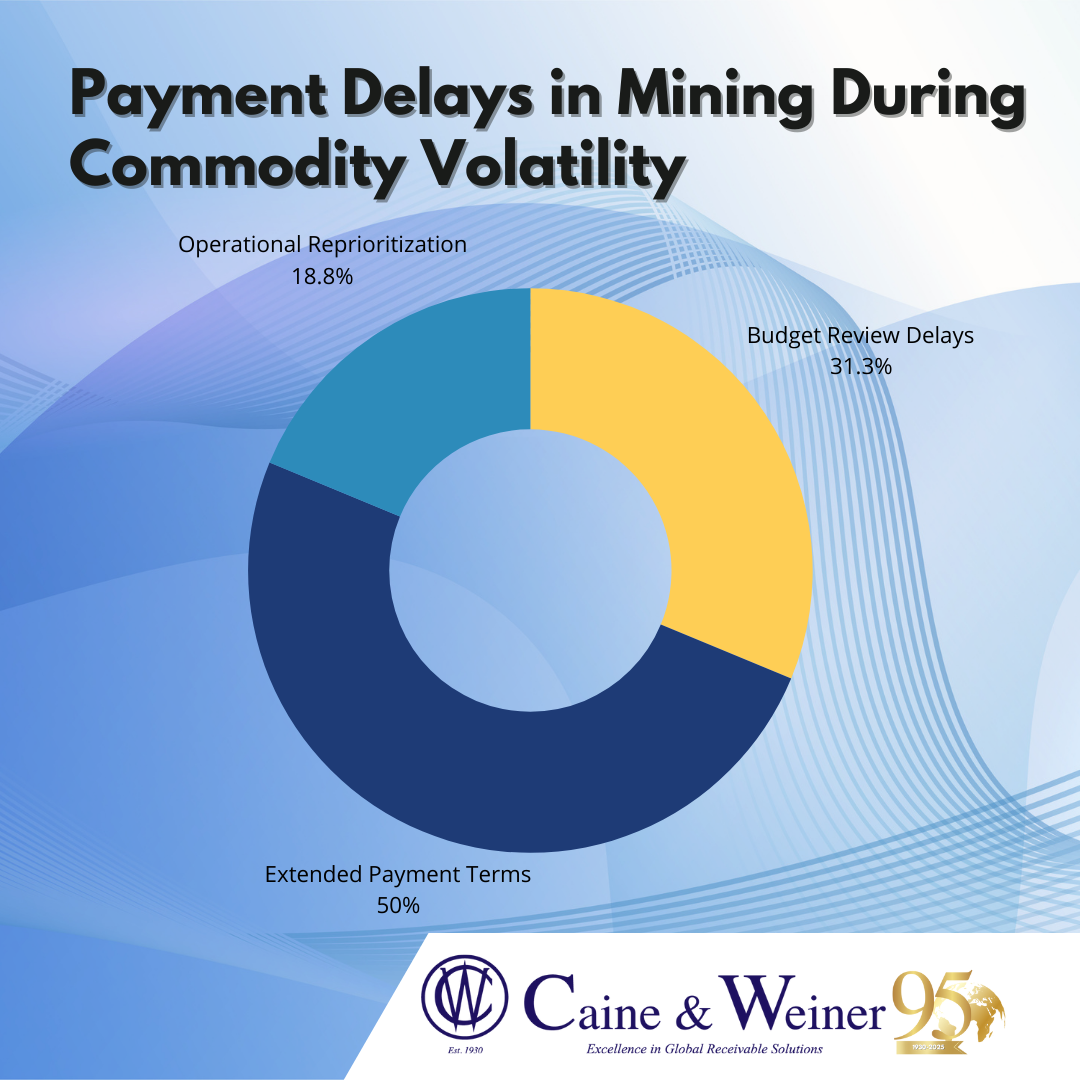
When Commodity Prices Move, Payments Move With Them: Understanding AR Risk in Mining
Payment behavior in the mining industry doesn’t follow invoices—it follows the commodity market. When copper, lithium, coal, or nickel prices swing, the entire financial structure of mining companies shifts with them. Production priorities change. Capital allocation changes. Cash reserves get reassigned to critical operations. And vendors feel the effects—fast. Industry analytics reveal a clear pattern: When commodity volatility spikes, mining …
When Fast Growth Breaks the Workflow: Why SaaS Companies Struggle with Payment Drift
In SaaS, growth is celebrated—MRR climbs, new users flood in, product updates ship weekly, and expansion becomes the norm. But beneath the excitement of scaling lies a less glamorous truth: Fast scaling = fast chaos. And nowhere is this more visible than in accounts receivable. Recent industry data shows a surprising trend: SaaS companies experience a 40% increase in missed …
When Claims Surge, Payments Slow: The Hidden Workflow Bottlenecks Inside Insurance AP
The insurance industry is built on preparedness. Policies. Procedures. Protocols. Claims. Everything has a flow—until it doesn’t. Every year, insurers face periods when claims spike sharply. Sometimes it’s seasonal (storms, wildfires, weather events). Sometimes it’s market-driven (rate changes, policy shifts). Sometimes it’s internal (staffing transitions, system upgrades). When those claim cycles hit, something happens behind the scenes that most vendors …
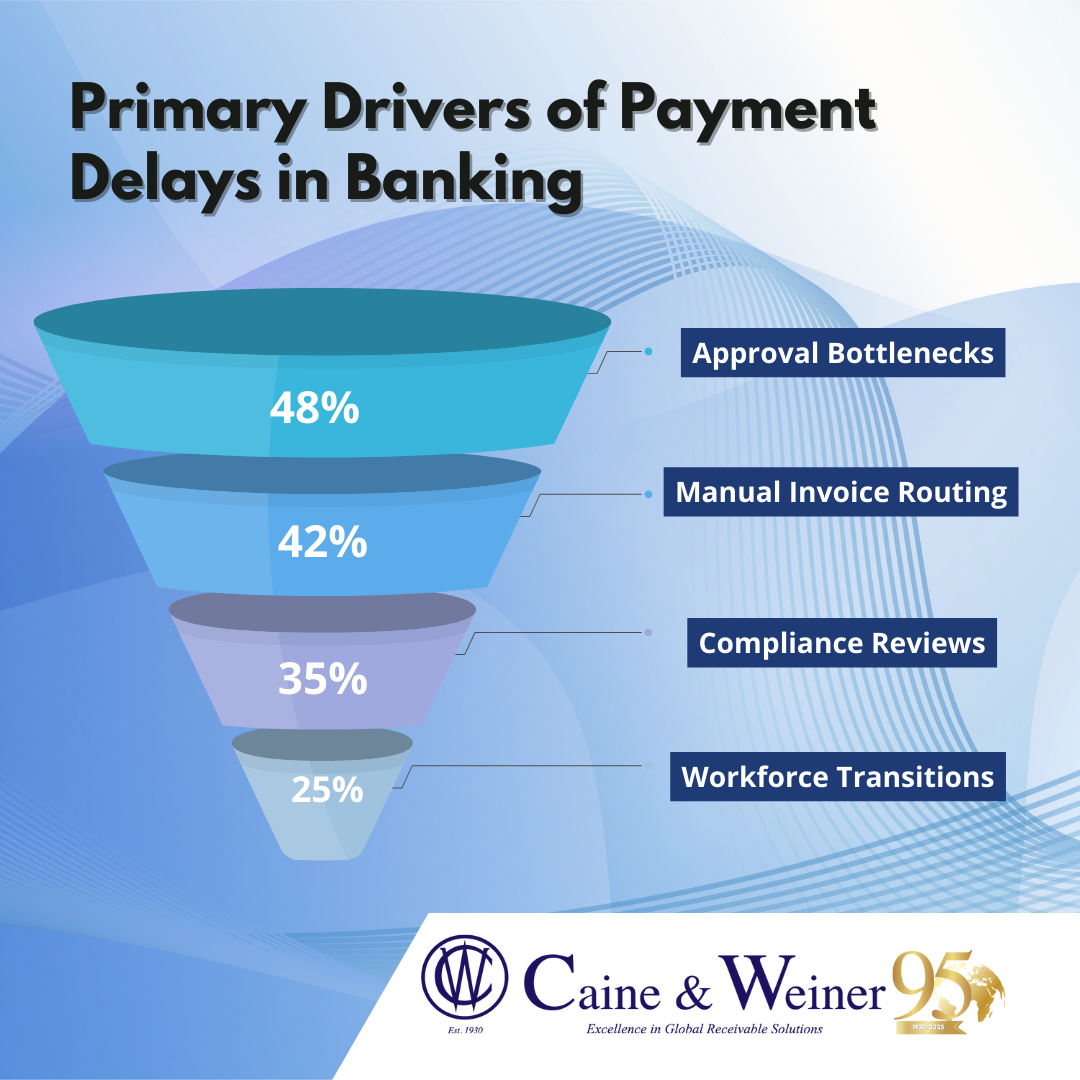
When Banks Fall Behind: Why Payment Delays Aren’t About Cash—They’re About Workflow
On the surface, the banking industry appears steady, structured, and predictable. Money moves in, money moves out, balances reconcile, and invoices get paid. But talk to any vendor working with a financial institution today, and a different story emerges—one that begins not with dollars, but with delays. It often starts with a familiar message: “Still in approval.” “Compliance is reviewing …
Why Manufacturers Can’t Afford Late Payments — And How We Can Help
Imagine this: Your plant is running at full tilt, machines humming, employees on overtime, demand surging… and suddenly, your production grinds to a halt. Not because of a broken machine or supply chain disruption—but because of unpaid invoices choking off your cash flow. This isn’t a hypothetical. A 2024 report by Atradius revealed that 52% of manufacturers worldwide are experiencing …
Protecting Cash Flow in a Digital World: Why Cybersecurity & Collections Go Hand in Hand
The financial landscape is evolving fast, and businesses must keep pace. Cybersecurity has taken center stage, with the California Department of Financial Protection and Innovation (DFPI) mandating an overhaul of cybersecurity measures for credit unions. But, while companies focus on digital security, another risk often gets overlooked: financial security. At Caine & Weiner, we know that a strong business isn’t …
Tuition, Tension, and Trouble: What Student Loan Repayments Mean for the Education Sector
The student loan repayment pause has officially ended—and the ripple effects are already being felt. With consumer debt delinquencies surging to a five-year high, educational institutions and service providers are bracing for a wave of financial strain that may hit closer to home than expected. At Caine & Weiner, we understand how critical timely payments are for schools, universities, and …