
The Gap No One Talks About
On paper, everything looks strong.
ARR is up. Net retention holds. New logos keep coming in. But behind the scenes, finance teams are watching invoices age—and wondering when booked revenue will actually arrive.
This disconnect between ARR and AR is becoming increasingly common. PYMNTS reports that nearly 40% of SaaS firms experience DSO creeping past 60 days, creating liquidity pressure even during growth phases.
Why ARR Can Be Misleading
ARR measures commitment—not cash. It assumes customers pay on time, every time, without friction. Reality is messier.
Subscription businesses often underestimate how billing complexity grows alongside scale. As contract volume increases, so do exceptions, disputes, and delays.
ARR can look healthy while AR quietly lags behind.
When AR Becomes the Bottleneck
As receivables stretch, companies begin compensating:
- Drawing on credit lines
- Delaying investments
- Tightening operating budgets
The business isn’t failing—but it’s operating with less flexibility.
And that flexibility is often what separates fast-growing SaaS companies from stalled ones.

Early Signals Matter
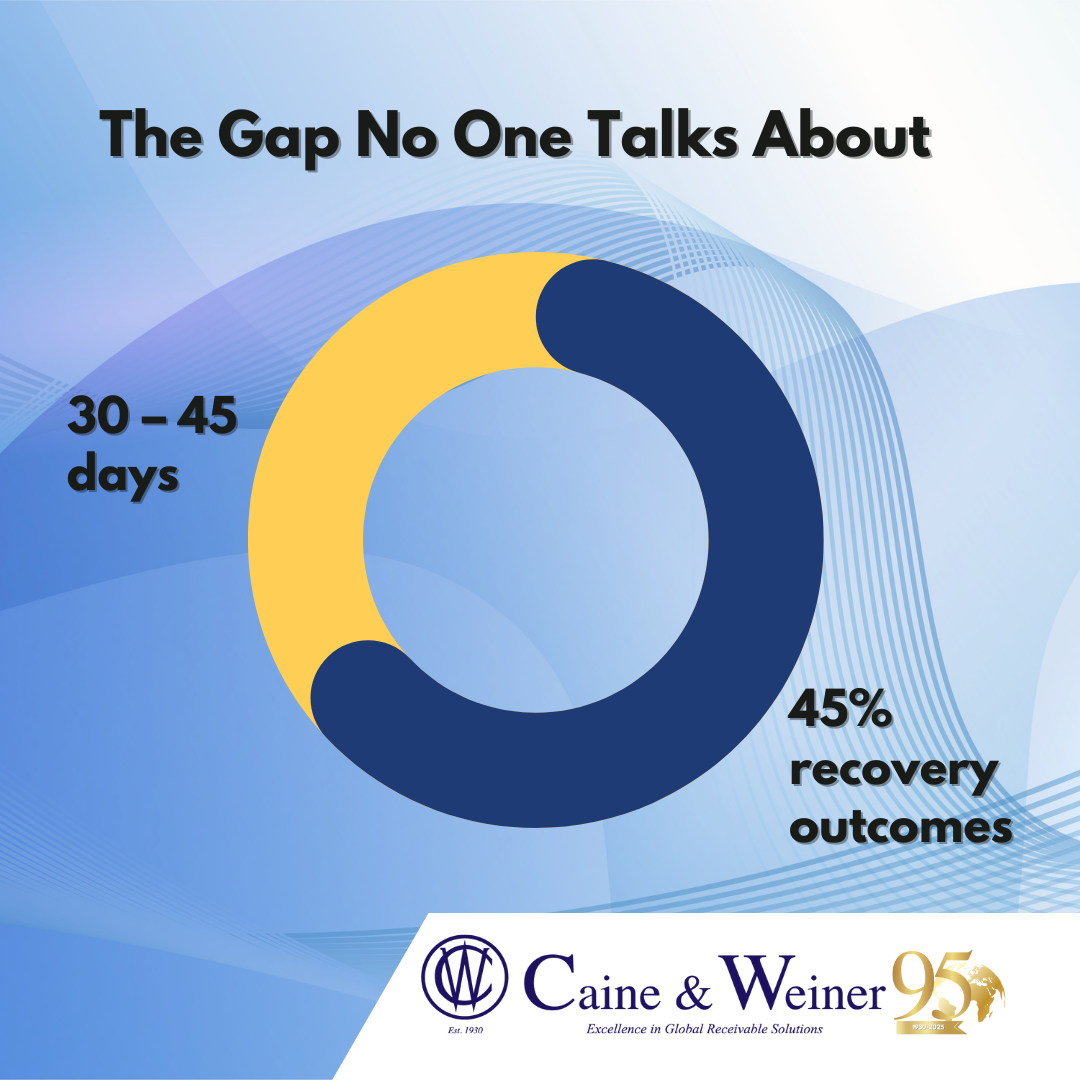
Data shows that invoices unresolved within the first 30–45 days are significantly less likely to be paid in full. According to the Credit Research Foundation, early-stage intervention increases recovery outcomes by up to 45%.
Yet many companies wait—hoping payments resolve themselves.
Turning Revenue Into Liquidity
The strongest SaaS finance teams align ARR growth with AR discipline. They monitor payment behavior by segment, escalate strategically, and maintain clear communication with customers.
Caine & Weiner supports SaaS organizations by strengthening that bridge—ensuring revenue doesn’t get stuck between promise and payment.
Bottom Line: ARR growth is only meaningful when AR keeps pace.