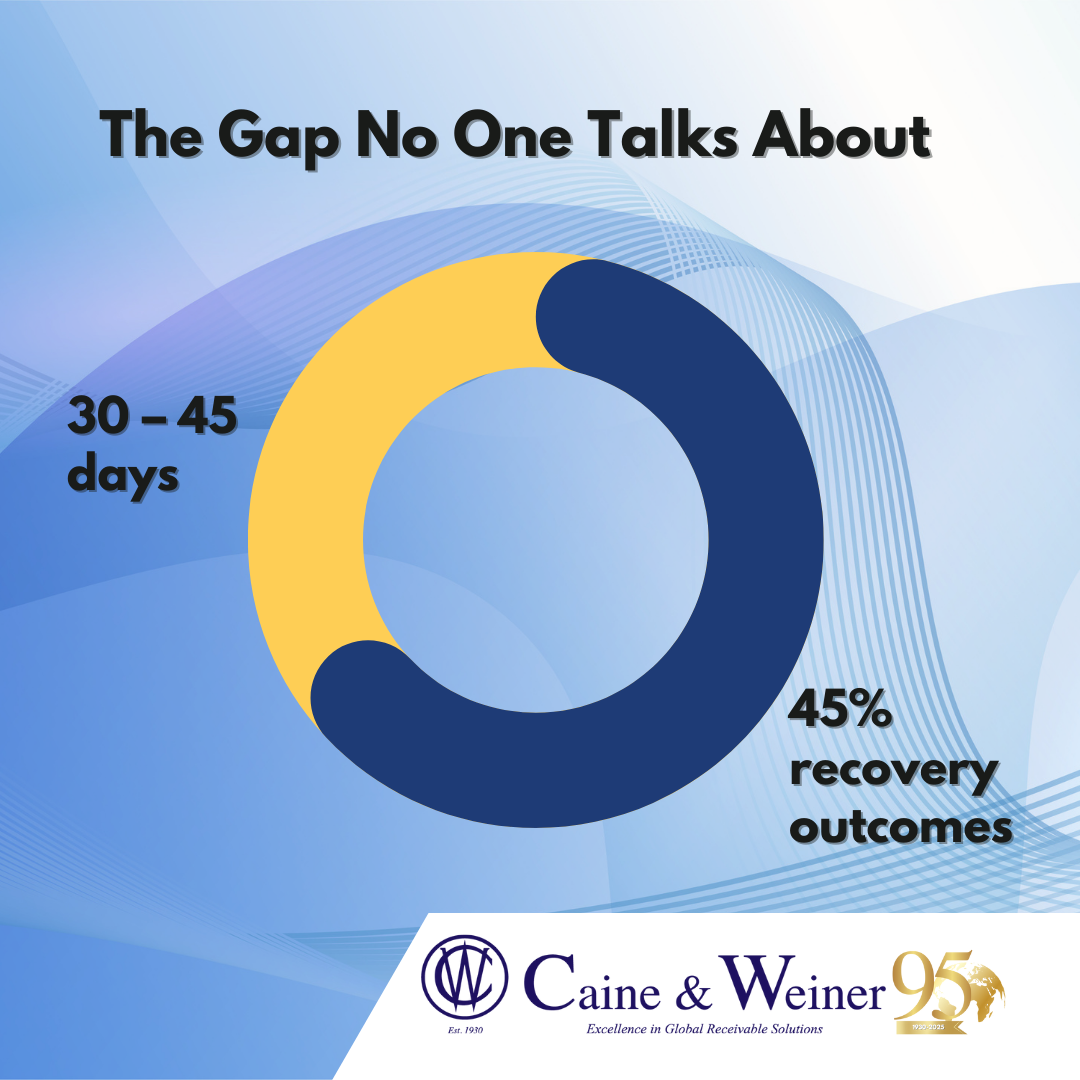
The Gap No One Talks About On paper, everything looks strong. ARR is up. Net retention holds. New logos keep coming in. But behind the scenes, finance teams are watching invoices age—and wondering when booked revenue will actually arrive. This disconnect between ARR and AR is becoming increasingly common. PYMNTS reports that nearly 40% of SaaS firms experience DSO creeping …
When Insurance Delays Become Patient Debt
Insurance delays are one of the most common—and frustrating—drivers of patient dissatisfaction. Coverage verification issues, coding errors, payer backlogs, and denied claims often delay reimbursement. According to CMS, claims denial rates range from 5–10%, and a significant portion are preventable. When these delays occur, patient balances are often created unexpectedly. From the patient’s perspective, the process feels unfair. They believe …
When Banks Slow Payments, Liquidity Feels It First
Precision Businesses Can’t Afford Imprecise Cash Flow Banking runs on timing. Interest accrues by the day. Capital ratios are calculated to the decimal. Risk models assume predictable inflows. So when payments slow—even slightly—the impact ripples outward. According to Atradius, 56% of financial institutions reported increased late B2B payments, with average invoice terms stretching beyond 70 days. That shift may look …
Self-Pay Growth: The New Reality for Healthcare Providers
High-deductible health plans have permanently reshaped healthcare finance. As insurance designs shift more financial responsibility to patients, self-pay balances continue to grow. MGMA reports that self-pay is now one of the fastest-growing segments of healthcare A/R, with many providers seeing higher balances and slower payment timelines than ever before. This shift introduces new challenges. Patients are not accustomed to acting …
Medical Debt Isn’t Just Financial—It’s Emotional
Behind every balance is a patient navigating stress, recovery, and uncertainty. Medical debt is fundamentally different from other forms of debt. It often follows an illness, injury, or unexpected life event—moments when patients are physically and emotionally vulnerable. According to the Kaiser Family Foundation, nearly 40% of U.S. adults carry some form of medical debt, and many report anxiety, confusion, …
How Compliance-First Collections Improve Recovery in Healthcare
In healthcare, compliance isn’t optional—it’s strategic. As regulatory oversight increases, healthcare collections now sit at the intersection of finance, patient rights, and public trust. HIPAA, CFPB guidelines, state-level debt collection laws, and evolving patient protection standards shape how—and when—providers can engage patients about outstanding balances. In this environment, noncompliance doesn’t just create legal exposure; it directly undermines recovery performance. Data …
Why Early-Stage Medical Collections Protect Patient Relationships
There’s a persistent myth in healthcare: collections damage patient relationships. In reality, it’s how and when collections occur that makes the difference. Early-stage medical collections aren’t about aggressive outreach. They’re about clarity. According to HFMA, the majority of patient balances that become bad debt were never disputed—they were misunderstood, forgotten, or delayed due to confusion. When providers wait too long …
Why Aging Reports Alone Fail Medical Billing Teams
Aging reports tell you where accounts have been—not where they’re going. For decades, aging reports have been the backbone of medical billing operations. While they provide a snapshot of outstanding balances, they lack critical insight into patient behavior. Knowing that an account is 60 or 90 days past due doesn’t explain why it hasn’t been paid—or whether it ever will …
When Fast Growth Breaks the Workflow: Why SaaS Companies Struggle with Payment Drift
In SaaS, growth is celebrated—MRR climbs, new users flood in, product updates ship weekly, and expansion becomes the norm. But beneath the excitement of scaling lies a less glamorous truth: Fast scaling = fast chaos. And nowhere is this more visible than in accounts receivable. Recent industry data shows a surprising trend: SaaS companies experience a 40% increase in missed …
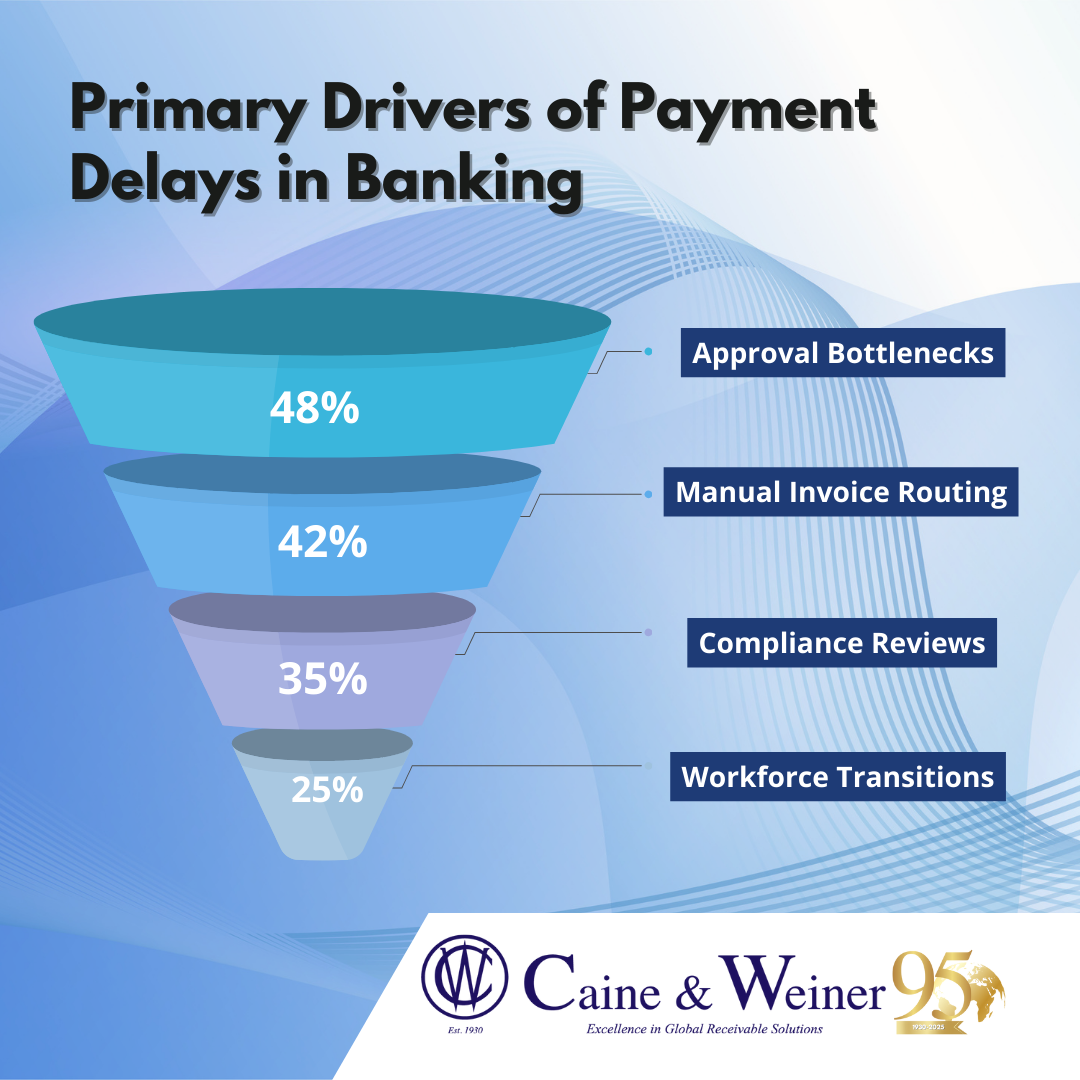
When Banks Fall Behind: Why Payment Delays Aren’t About Cash—They’re About Workflow
On the surface, the banking industry appears steady, structured, and predictable. Money moves in, money moves out, balances reconcile, and invoices get paid. But talk to any vendor working with a financial institution today, and a different story emerges—one that begins not with dollars, but with delays. It often starts with a familiar message: “Still in approval.” “Compliance is reviewing …