

No one expected the warning signs to come from the finance intern.
The SaaS company—growing at a breakneck 40% year-over-year—had automated nearly every aspect of its revenue cycle. Invoices were sent instantly. Payment reminders were triggered by clean API logic. Escalations followed strict decision-tree workflows.
“Everything is automated,” the CFO proudly shared.
Except the problem wasn’t in the automation. It was hiding between the lines—exactly where automation doesn’t look.
The First Red Flag the System Didn’t Catch
It started with a mid-size enterprise client who normally paid within 18 days—like clockwork. But over time, the pattern shifted:
- Payment Day 18
- Then Day 22
- Then Day 29
- Then Day 35…
The algorithm still labeled them “green—low risk.” After all, the invoices were eventually paid, and the customer’s credit rating remained strong.
But the intern saw something odd: “Why do they keep paying the smaller invoices first?”
The automation system didn’t weigh invoice prioritization behavior… but humans do.
When Automation Misses the Story Behind the Numbers
Across the tech industry, companies are discovering the same thing:
Automation is excellent at processing data—but it can’t interpret human intent.
And intent is what drives payment behavior.
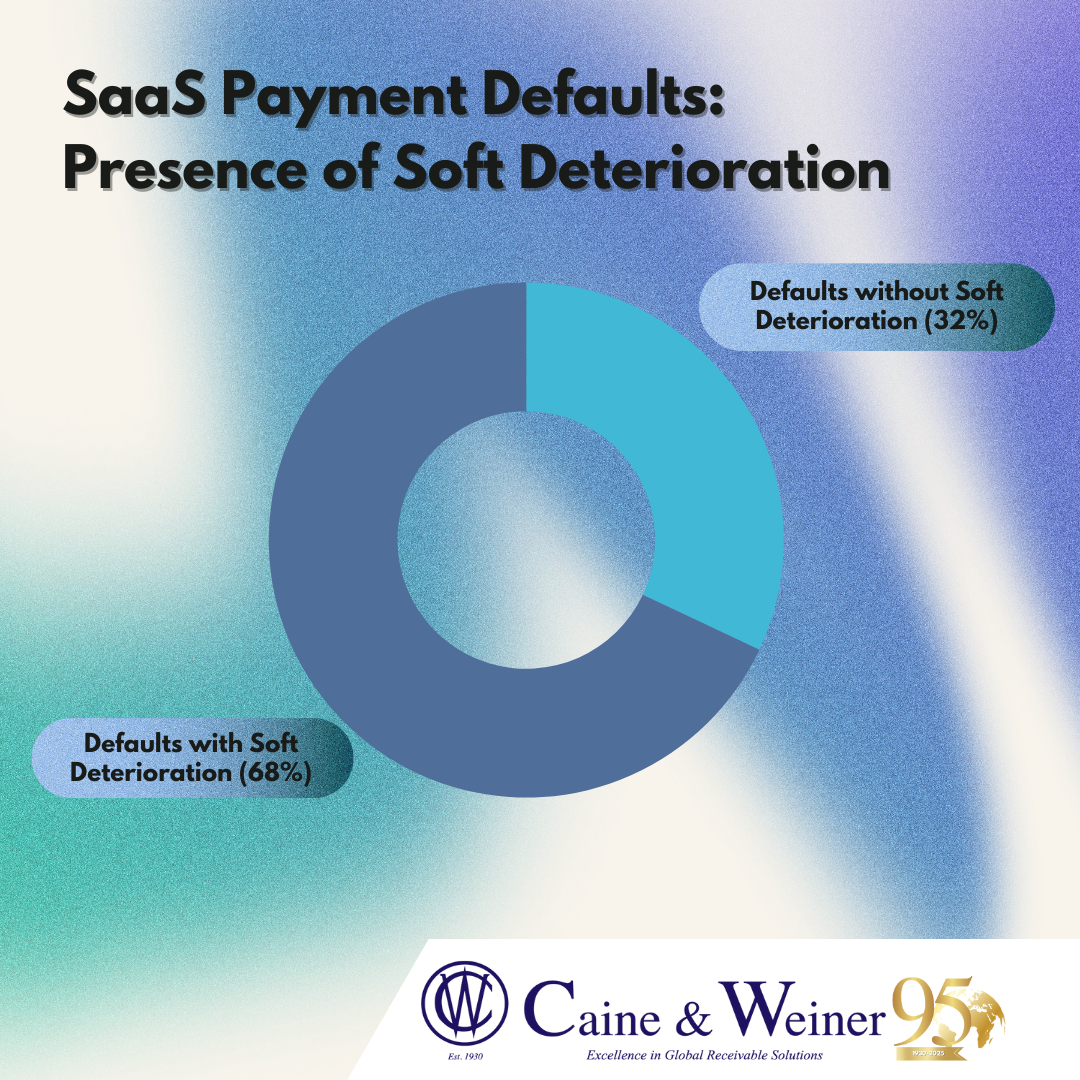
A recent AR industry review found that: 68% of SaaS payment defaults were preceded by 3+ months of “soft deterioration” (pattern changes, delayed communication, uneven payments)—signals most automation rules cannot detect.
Automation can tell you when someone paid. Only human review can tell you why they paid that way.
The Hidden Cost of “Automation Confidence”
By the time the SaaS company escalated the account, their customer was already weeks away from a liquidity crisis.
They recovered the outstanding invoices—but barely.
The CFO later admitted:
“We trusted automation too much. We needed eyes, not just alerts.”
That’s where a seasoned collections partner steps in—not only to recover outstanding balances, but to read the story the data is telling.
Why Human Oversight Still Wins in Tech Collections
Automation is powerful, but human oversight is:
- Better at spotting behavioral shifts
- Better at identifying the “why” behind payment delays
- Better at interpreting cross-account trends
- Better at escalating at the right time—diplomatically
It’s not automation versus humans. It’s automation plus humans.
Companies that combine both see a 27–42% improvement in early-stage resolution, based on Caine & Weiner recovery data.
The Bottom Line for Tech Finance Teams
Tech companies don’t fall behind because they miss invoices.
They fall behind because they miss patterns.
And patterns are human. Your automation can send reminders—but it’s your people and your partners who keep your cash flow secure.