

Freight carriers reduce chronic late payments by combining proactive receivables management, customer payment segmentation, clear documentation, and professional commercial collections that protect long-term shipping relationships while improving cash flow.
The Freight Was Delivered. Why Hasn’t the Payment Arrived?
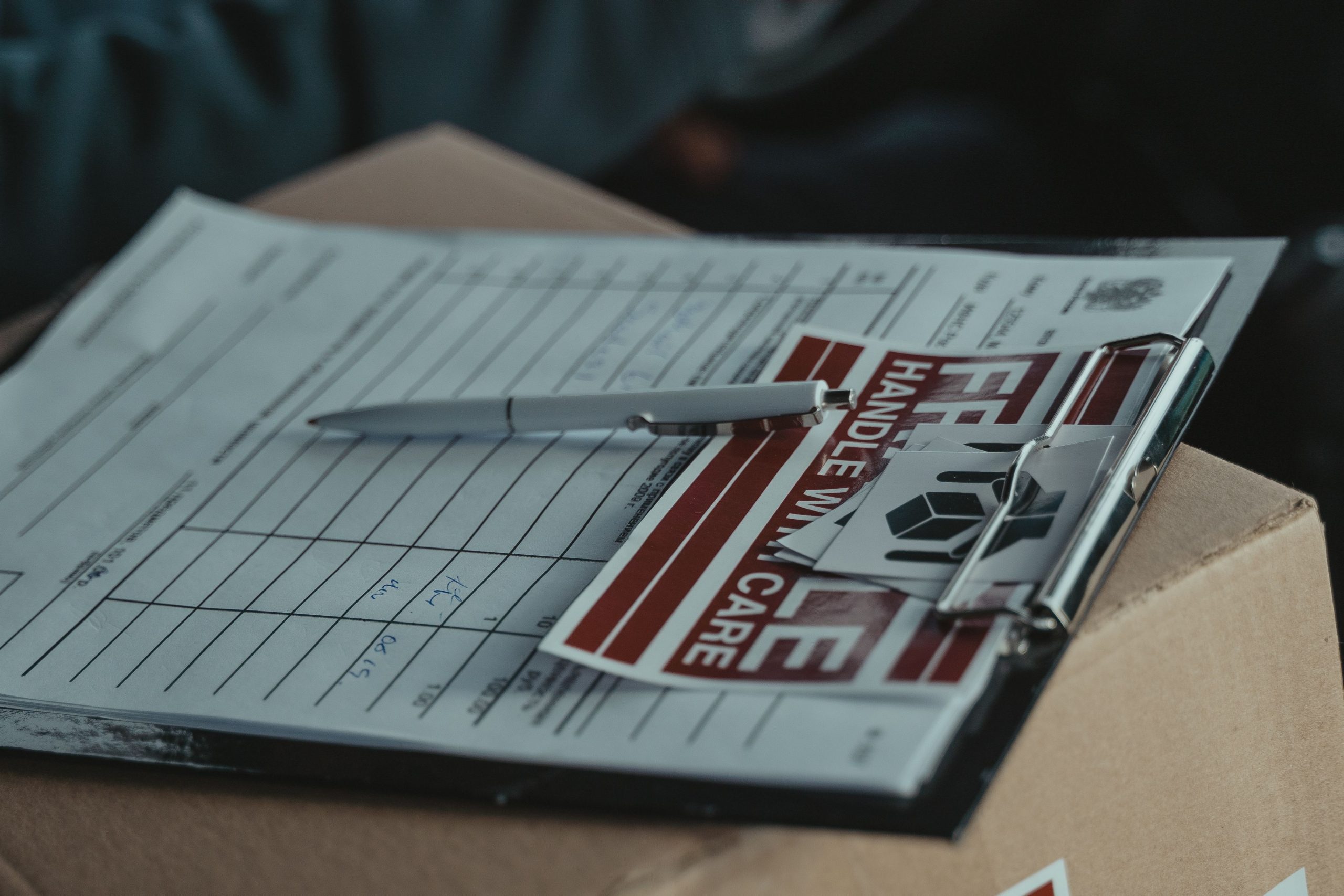
The shipment reached its destination three weeks ago. The proof of delivery (POD) was signed. The customer confirmed the freight arrived in good condition. The invoice was sent that same afternoon. Yet payment still hasn’t arrived. The accounts receivable team follows up. The customer says they’re waiting on the broker. The broker says they’re waiting on the shipper.
Meanwhile, fuel bills, payroll, insurance, maintenance, and operating costs continue regardless of whether the invoice has been paid. This is the reality many freight carriers face today. In trucking, the job isn’t finished when the trailer is unloaded—it’s finished when payment reaches the bank.
According to FreightWaves, longer freight payment cycles continue to pressure carrier cash flow, particularly for small and mid-sized fleets managing rising operating costs and volatile freight markets.
Why Freight Invoices Take Longer to Collect
Unlike many industries, freight billing depends on several moving pieces. Payment delays often occur because of:
- Proof of Delivery (POD) documentation delays
- Broker approval timelines
- Fuel surcharge disputes
- Rate confirmation discrepancies
- Customer accounts payable cycles
- Manual paperwork processing
Each additional approval adds days to the payment cycle. According to the American Trucking Associations (ATA), trucking companies continue to navigate rising operating expenses while maintaining tight margins, making timely receivables essential to financial stability.
Why Waiting Makes Collections Harder
Many carriers avoid following up aggressively because they value long-standing customer relationships. Unfortunately, payment habits tend to repeat themselves. An invoice paid in 50 days often becomes 65 days next quarter—and 90 days the quarter after. Professional receivables management focuses on identifying these patterns early before they become chronic.
Rather than reacting after invoices become severely aged, finance teams increasingly monitor payment trends and customer behavior to determine when proactive communication should begin.
How Professional Freight Collections Work
Successful transportation collections begin long before legal action or aggressive recovery. Best practices include:
- Customer payment segmentation
- Early invoice monitoring
- POD verification
- Broker communication
- Documentation review
- Commercial collections when appropriate
The objective is simple: Resolve operational delays before they become financial losses.
For more than nine decades, Caine & Weiner has partnered with transportation companies, logistics providers, and commercial businesses to strengthen receivables while helping preserve valuable customer relationships.
Mini Case Study
A regional carrier noticed nearly one-third of its invoices were being paid more than 60 days after delivery. Rather than changing customer contracts, leadership reviewed payment
The Bottom Line
Freight moves on schedules. Cash flow should too. Carriers that combine documentation discipline, proactive receivables management, and professional commercial collections are better positioned to reduce payment delays while protecting long-term customer partnerships.
For more than nine decades, Caine & Weiner has helped transportation businesses strengthen commercial receivables through relationship-focused recovery strategies built for today’s logistics environment.
Frequently Asked Questions
Is Caine & Weiner a nationwide collection agency?
Yes. Caine & Weiner provides nationwide commercial collection services across the United States and supports businesses with domestic and international recovery solutions.
How long should a business wait before sending an account to collections?
Most businesses consider placing accounts for collections between 60 to 120 days past due, depending on their internal credit policies and customer relationship history. Early intervention often increases recovery success rates.
How can businesses improve their collections process?
Businesses can improve collections by establishing clear payment terms, following up consistently, monitoring aging reports, automating reminders, and partnering with experienced collection professionals when needed.