

In sheet metal manufacturing, precision is everything.
A fraction of an inch can determine whether a component fits, fails, or forces an expensive rework. Material costs are calculated carefully. Labor is scheduled tightly. Equipment uptime is monitored relentlessly. But while production often runs on precision, cash flow doesn’t always follow the same discipline.
And for many sheet metal fabricators, that’s where the real margin pressure begins. A contract may be quoted accurately. Raw materials may be secured. Production may finish on schedule.
Yet payment can still arrive weeks—or months—later than expected. For an industry already balancing material volatility, labor pressure, and operational efficiency, delayed receivables can quietly erode profitability faster than many leaders realize.
Precision on the Floor Doesn’t Guarantee Precision in Payment
Sheet metal firms often serve larger supply chains—OEMs, contractors, construction groups, HVAC buyers, or industrial manufacturers—where procurement layers can stretch payment timelines far beyond standard terms. A custom fabrication order may be delivered exactly to spec, but invoice approval can still sit in administrative review.
According to Deloitte’s manufacturing outlook, working capital discipline remains a growing priority as manufacturers face supply chain disruption, cost fluctuations, and tighter operational margins. (deloitte.com) This creates a familiar but dangerous disconnect:
- Production may be complete.
- Revenue may be booked.
- But cash may still be delayed.
For CFOs, that timing gap matters. Because payroll, equipment maintenance, material replenishment, and expansion are funded by liquidity—not just invoiced success.
Steel Prices Rise Fast. Payments Often Don’t.
Manufacturers today are already navigating enough volatility before receivables delays even enter the picture.
Steel, aluminum, freight, and energy costs can rise quickly, often forcing shops to absorb higher production expenses upfront. CFO.com has repeatedly emphasized that in manufacturing, working capital discipline is increasingly critical as inflation and operational costs pressure margins. (cfo.com)
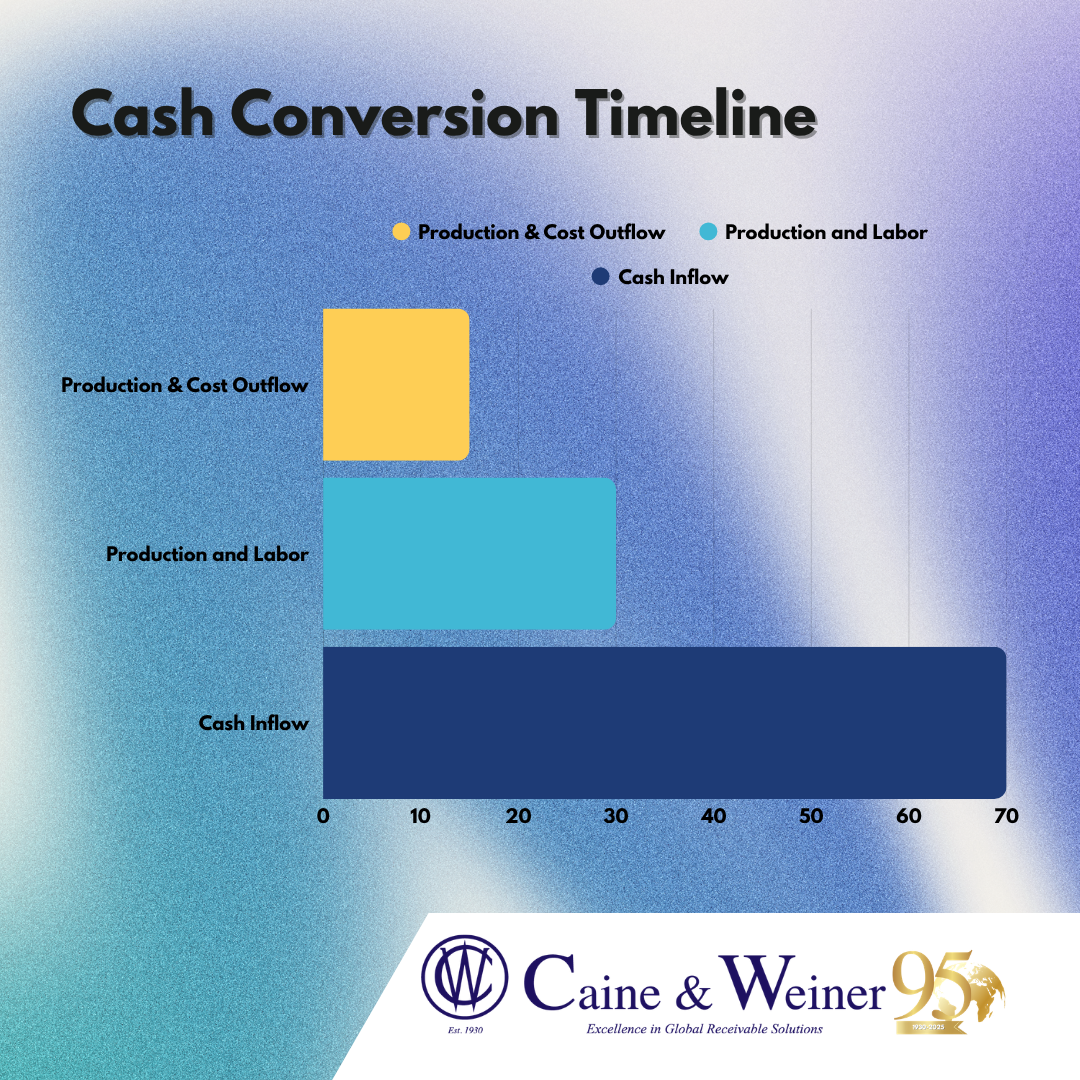
Now layer delayed customer payments onto that environment. A fabricator may purchase raw material at elevated pricing today while waiting 60 or 75 days for customer remittance. That means manufacturers often carry both—production and timing risk at the same time.
And when both sides tighten, healthy sales volume can still feel financially strained.
The Margin Leak That Doesn’t Show Up on the Shop Floor
Most sheet metal firms don’t lose momentum because they stopped producing. They lose momentum when cash conversion slows. Delayed receivables can quietly affect:
- Hiring decisions
- Machinery upgrades
- Inventory flexibility
- Vendor negotiations
- Borrowing needs
A backlog may look strong, but if payment timing drifts, growth can become more fragile than financial statements suggest. Business Insider’s broader manufacturing coverage has consistently shown that supply chain and payment disruptions often hit mid-market industrial operators hardest, especially when larger buyers exert stronger payment leverage. (businessinsider.com)
This is why receivables management isn’t just an accounting function. In manufacturing, it’s margin protection.
Strong Customer Relationships Shouldn’t Mean Waiting Indefinitely
Many manufacturers hesitate to address payment issues early because they value long-term customer relationships. That instinct makes sense.
But delayed communication often creates more friction—not less. According to the Credit Research Foundation, organizations that engage earlier in the delinquency cycle can improve recovery outcomes by up to 45%. In many B2B manufacturing environments, payment delays are often caused not by refusal—but by:
- Approval bottlenecks
- Invoice discrepancies
- Procurement priorities
- Administrative delays
Professional early intervention can preserve customer trust while protecting working capital. This is where strategic receivables partners like Caine & Weiner fit naturally—not as aggressive enforcers, but as experienced allies helping manufacturers protect liquidity without compromising hard-earned business relationships.
The Bottom Line
In sheet metal manufacturing, precision shouldn’t stop at production. Because a perfectly fabricated part doesn’t guarantee a healthy balance sheet. Payment timing matters.
For manufacturers, receivables strategy is as operationally important as material forecasting, labor efficiency, or production output. The firms that remain resilient are often not just the ones producing fastest—They’re the ones converting finished work into reliable cash flow most effectively.
In an industry where fractions of an inch can define quality, fractions of time can define profitability. And when margins are tight, getting paid precisely may be just as important as building precisely.