
On a construction site, dozens of teams may work together to complete a single project.
General contractors coordinate schedules. Subcontractors handle specialized tasks. Suppliers deliver materials and equipment.
Every stage of the project depends on precise coordination. But one element of the process often introduces uncertainty: payments.
Construction operates on what many finance professionals call a payment chain. Each participant depends on payments from another party before they can pay the next.
When one link in the chain slows down, the entire system feels the impact.
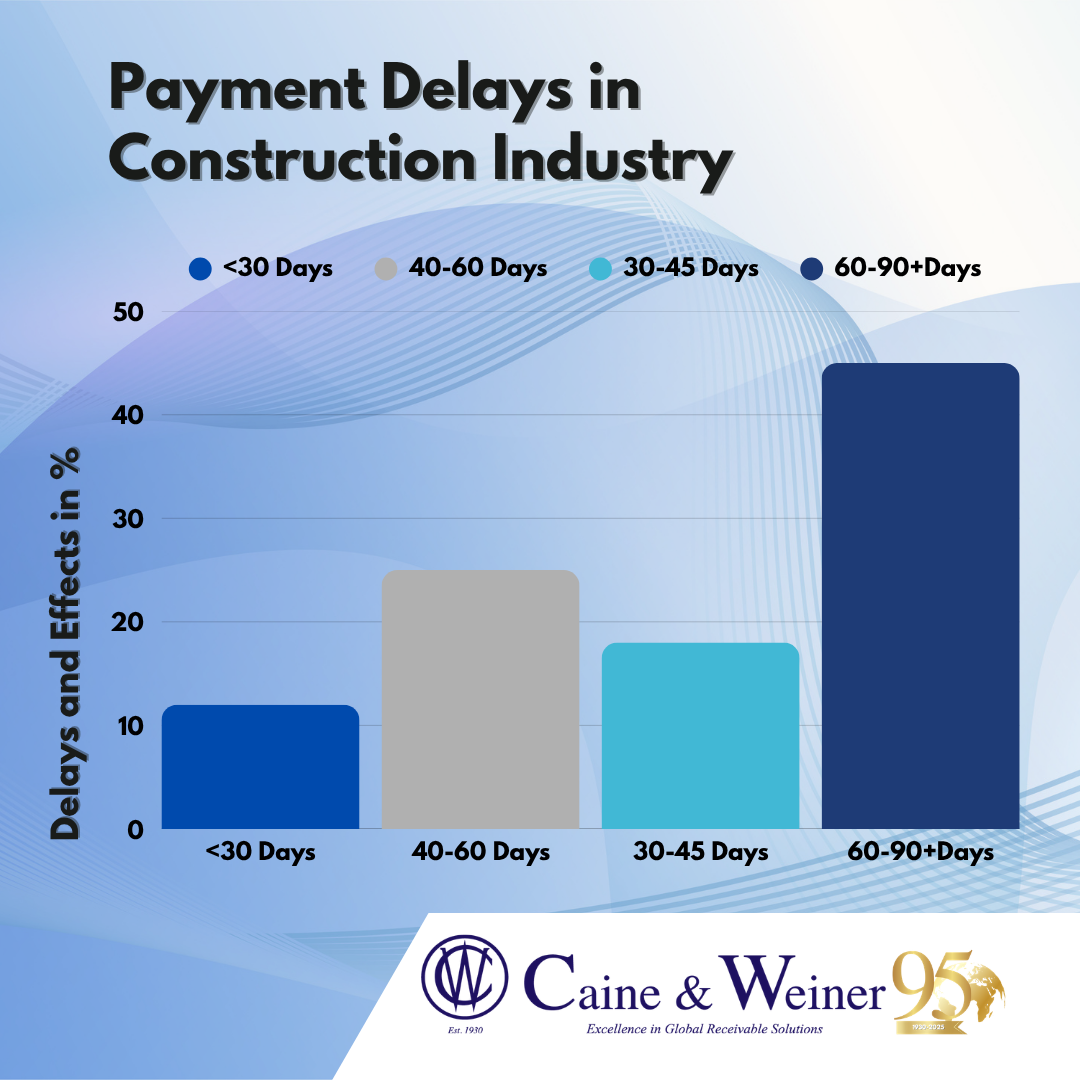
Industry research from National Association of Credit Management shows that construction consistently reports some of the longest payment cycles of any industry, with payment timelines frequently extending 60 to 90 days or longer.
Additional studies by PwC indicate that delayed payments remain one of the leading causes of financial stress for subcontractors and material suppliers.

The structure of construction billing contributes to these delays.
Projects often involve milestone-based payments, retainage agreements, and complex approval processes. Before invoices are paid, project owners may require inspections, documentation, and verification of completed work.
While these safeguards protect project integrity, they also slow the movement of cash through the system. For subcontractors and suppliers operating with tight margins, these delays can create significant financial strain.
Payroll, equipment maintenance, and material costs must be paid regardless of when invoices are approved. This forces many companies to rely on credit lines or working capital reserves while waiting for payments.
Late payments can also increase risk across the entire construction ecosystem.
When subcontractors experience financial stress, project timelines may be affected. Suppliers may hesitate to extend additional credit, potentially disrupting material availability.
In extreme cases, unresolved payment disputes can lead to legal actions that further delay project completion. This is why proactive receivables management has become increasingly important in the construction sector.
Companies that monitor payment trends closely can identify emerging risks early. Tracking payment patterns across project owners and contractors helps finance teams determine where delays are most likely to occur.
Clear contract terms also help reduce uncertainty. Well-defined payment schedules, documentation requirements, and dispute resolution processes create a more transparent financial structure for all parties involved.
Some organizations are also adopting digital invoicing and payment tracking systems that provide real-time visibility into billing status.
These tools allow project stakeholders to resolve issues more quickly and maintain stronger communication throughout the payment cycle.
In construction, building structures is only part of the work. Maintaining financial stability across complex project networks requires equal attention. Because when one payment stalls, the ripple effects can travel across the entire job site.